
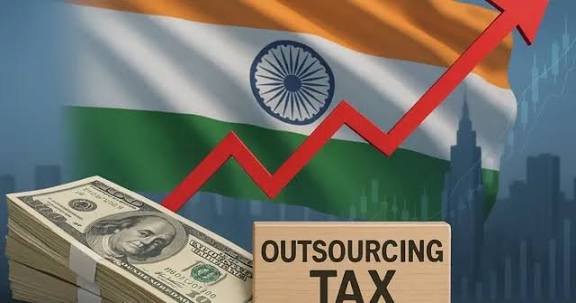
India’s large IT industry is entering a prolonged phase of uncertainty as clients postpone or renegotiate contracts while the US considers a proposed 25% tax on American companies that utilize foreign outsourcing services, according to analysts and lawyers. The industry is expected to be impacted by a bill that, while unlikely to be approved in its current form, will start a gradual change in how major companies in the world’s largest outsourcing market procure IT services, they noted. Nevertheless, with US companies facing this tax, those that depend heavily on international IT services are likely to resist, paving the way for significant lobbying and legal disputes, analysts and lawyers indicated. India’s $283 billion IT sector has flourished for over thirty years, exporting software services to notable clients such as Apple, American Express, Cisco, Citigroup, FedEx, and Home Depot. It has expanded to account for more than 7% of the GDP. Nonetheless, it has faced criticism in client countries regarding job losses to lower-cost labor in India. Recently, US Republican Senator Bernie Moreno introduced the HIRE Act, which aims to tax companies that employ foreign workers instead of Americans, with the tax proceeds allocated for U.S. workforce development. The legislation also intends to prevent companies from deducting outsourcing payments as tax-deductible expenses.
This bill could not have arrived at a more challenging time for India’s IT sector, which is grappling with sluggish revenue growth in its primary US market as clients delay non-essential technology expenditures due to inflationary pressures and tariff uncertainties. Companies are expected to vigorously oppose the proposed legislation and contest it legally if it is enacted, according to legal experts and industry observers. A bill of this nature would likely encounter significant resistance from US firms that heavily depend on outsourcing, who would probably initiate legal action to contest various elements of the bill, should it ever become law.The bill may also impact the global capability centers (GCCs) of US companies, which have transformed from inexpensive offshore back offices into valuable innovation centers that assist with operations, finance, and research and development. However, the ongoing shortage of suitable human resources in the US will remain an issue, and this can only be resolved in the near term through outsourcing.