
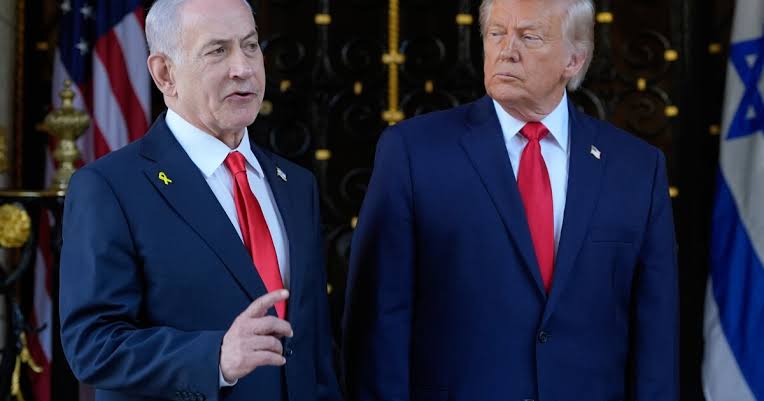
The Donald Trump administration is planning a new $2.8 billion arms package for Israel that includes 40,000 powerful 2,000-pound bombs, according to US officials. The proposed deal has raised fresh concerns over the possible humanitarian impact of using such heavy weapons in densely populated areas of Gaza. The weapons package reportedly includes 20,000 MK-84 bombs and 20,000 BLU-117 bombs. Each bomb weighs around 2,000 pounds, or about 907 kilograms. The package also includes I-2000 penetrator warheads designed to strike hardened or underground targets. The proposed arms sale is worth about $2.8 billion, which is roughly ₹27,000 crore. The plan has been informally communicated to the relevant committees in the US Congress as part of the process for major arms sales. The deal is not being described as a simple cash purchase because much of the funding is expected to come through the US Foreign Military Financing system. These large bombs have attracted international attention because similar weapons have been used in Gaza. Experts and human rights groups have raised concerns that weapons of this size can cause extensive destruction and civilian casualties when used in densely populated areas. The issue is particularly sensitive because the Gaza war has already caused a large number of deaths and widespread destruction. According to Gaza health authorities cited by international news agencies, more than 73,000 Palestinians have been killed since the war began in 2023.
Israel says its military operations are aimed at Hamas and are carried out in response to the October 7, 2023 attack. A similar shipment of 2,000-pound bombs was paused by the Biden administration in 2024 because of concerns about potential civilian casualties in Gaza. After returning to office, the Trump administration lifted that hold. The proposed new package has therefore renewed debate in the United States and internationally over military support for Israel and the humanitarian consequences of supplying heavy weapons during the Gaza conflict. US officials have said that foreign arms sales go through the required government process. The Israeli government has not immediately provided a detailed public response to the latest proposed package. The final status and delivery schedule of the weapons will depend on the completion of the relevant approval process.