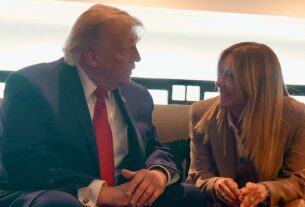
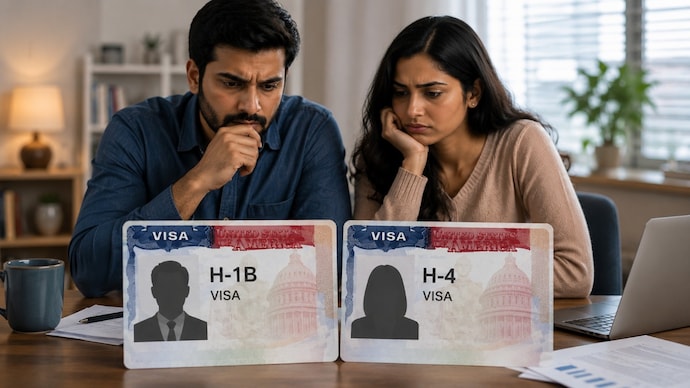
The US government is planning to change the rules that allow certain H-4 visa holders to legally work in the United States. Under the existing rules, eligible spouses of H-1B visa holders can apply for an Employment Authorization Document (EAD), which allows them to work legally in the country. The H-4 EAD program was introduced in 2015 and has been an important source of employment opportunities for many families of highly skilled foreign workers.The proposed policy change could make it more difficult for some H-4 visa holders to obtain or maintain work authorization. The move is expected to particularly affect Indian families because a large share of H-4 EAD applicants have been Indian nationals. According to figures cited in reports, around 94% of people who sought work authorization under the H-4 program between 2014 and 2017 were from India.The issue has been under discussion for several years. During Donald Trump’s earlier administration, the US government announced plans to end H-4 work authorization, but the proposal was not ultimately implemented.
The Trump administration is now again considering changes to the rule, putting the future of H-4 employment authorization under renewed uncertainty.If the rules are changed, affected H-4 visa holders could face challenges in continuing their jobs, changing employers or planning their careers in the US. The decision could also have a wider impact on families of H-1B workers, particularly those who depend on two incomes.However, a proposed rule change does not automatically mean that H-4 EAD holders will immediately lose their right to work. Any new policy would generally need to go through the required US federal rule-making process, and the final details, implementation date and eligibility requirements would depend on the government’s official decision.The development is being closely watched by the large Indian-American community and H-1B families, as changes to H-4 work authorization could affect employment, household finances and long-term plans for living in the United States.