
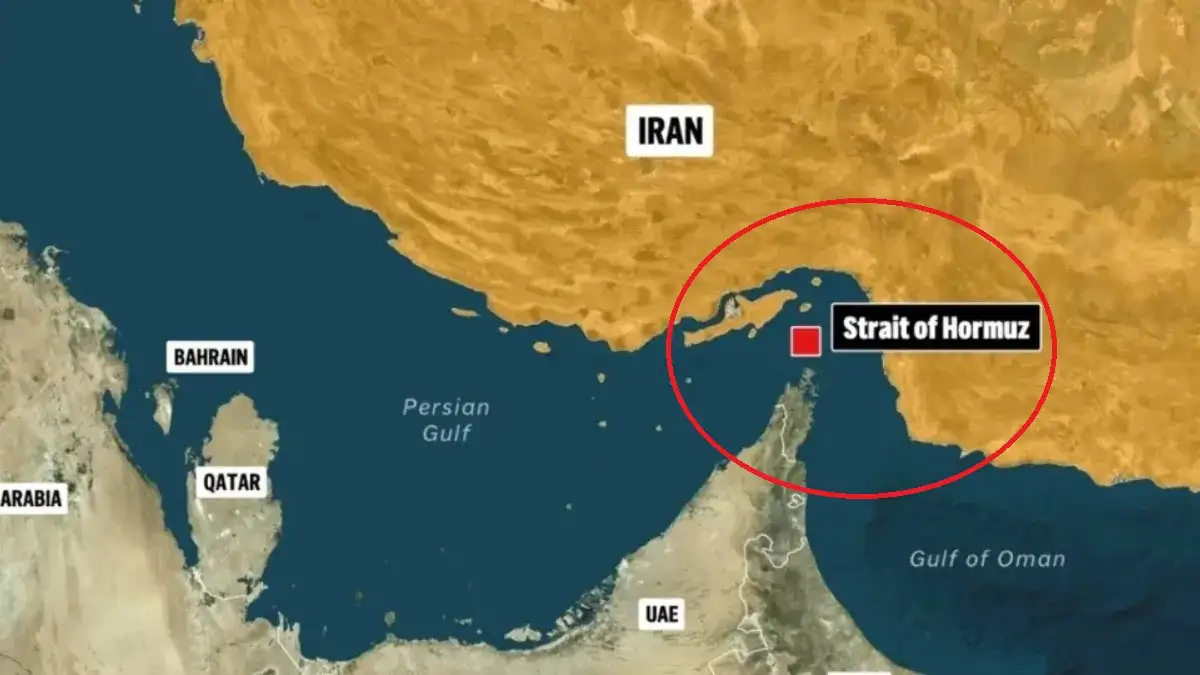
Tensions between Iran and the United States have escalated once again after recent military attacks in the Gulf region. Following US air and naval strikes on several Iranian targets, Iran’s military has announced that the Strait of Hormuz is now closed to all ships and warned that any vessel attempting to cross the strategic waterway could face armed action. According to Iranian officials, the decision came after the United States launched attacks on multiple locations in southern Iran, including Qeshm Island, Jask, Sirik, and Bandar Abbas. Iran claimed that several of its air defense systems and radar facilities were damaged during the strikes. The latest conflict reportedly began after Iranian forces shot down a US Apache attack helicopter that was conducting patrol operations near the Strait of Hormuz. Iran stated that the helicopter was not deliberately targeted, but the incident increased tensions between the two countries. In response, US President Donald Trump ordered military action against Iranian positions. Soon after the attacks, Iran’s Foreign Minister Abbas Araghchi warned that every attack on Iran would receive a strong response and advised foreign forces to leave the region if they wanted to remain safe. Iran’s Islamic Revolutionary Guard Corps (IRGC) also claimed responsibility for attacks on US-linked military facilities in Bahrain. The Bahraini government later confirmed that attacks had taken place.
Following these developments, Iran’s Joint Military Headquarters officially announced the closure of the Strait of Hormuz, one of the world’s most important shipping routes for oil and international trade. The military also warned that any oil tanker, cargo ship, or commercial vessel attempting to pass through the waterway could be fired upon. Iranian media further reported that two ships attempting to cross the Strait after the announcement were attacked, although independent confirmation of the incidents is still awaited. Iran’s Foreign Ministry has also called on neighboring Gulf countries to prevent the United States and Israel from using their territories to plan or support military operations against Iran. The ministry said regional nations have both a legal and moral responsibility to stop such activities. The renewed conflict comes despite earlier statements by President Donald Trump expressing hope for a future agreement between Washington and Tehran. However, with military actions increasing on both sides, international experts fear that the chances of a diplomatic solution are becoming weaker and that the risk of a wider regional war is growing.