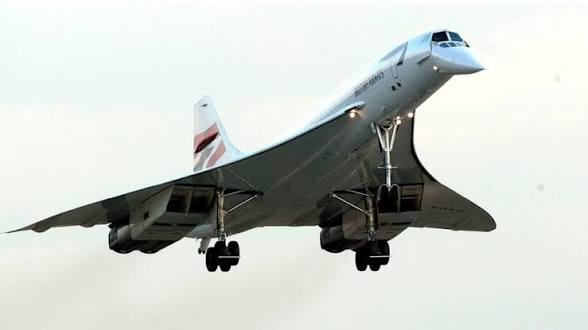
The United States is planning to remove a 53-year-old ban on supersonic aircraft, which can fly faster than the speed of sound. These aircraft travel at speeds above Mach 1, or about 1,234 km/h. The ban was introduced in 1973 because the loud sonic booms produced during take-off, landing, and flight could damage buildings and even break house windows. Due to these concerns, the US Federal Aviation Administration (FAA) restricted the operation of supersonic aircraft. With advancements in technology, newer aircraft are much quieter. Recently, NASA successfully tested its X-59 supersonic aircraft, which is designed to fly faster than sound while producing much less noise. Following this development, the FAA has decided to replace the long-standing ban with new noise limits instead of a complete restriction. The agency also plans to introduce separate rules for the take-off and landing of supersonic aircraft later this year. Both sets of new regulations are expected to be finalized by mid-2027. For comparison, most commercial passenger aircraft today fly at around 900 km/h (Mach 0.85), which is slower than the speed of sound.