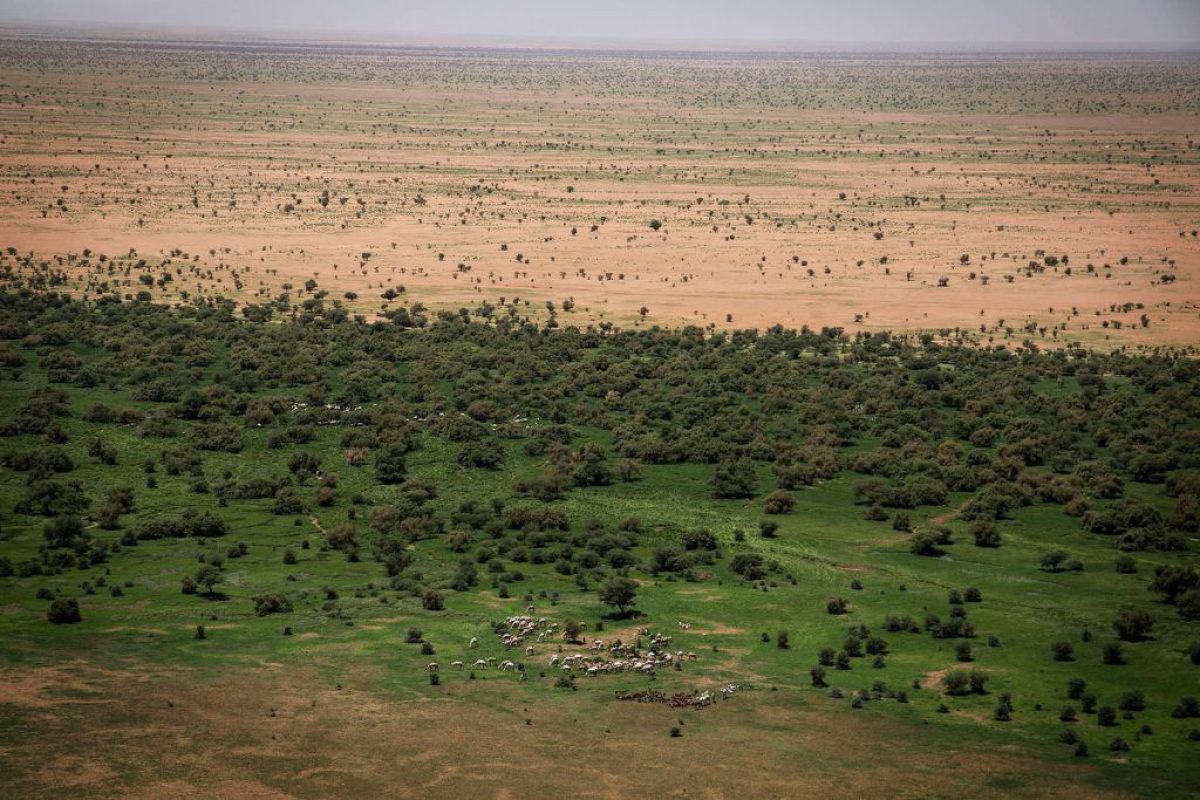
Stretching from the Atlantic coast of Senegal to the shores of Djibouti, Africa’s Great Green Wall is one of the world’s most ambitious environmental restoration projects. Launched by the African Union in 2007, the initiative spans nearly 8,000 kilometres across the Sahel, a vast semi-arid region bordering the Sahara Desert.The project aims to do much more than simply plant trees. Its goals include restoring degraded land, combating desertification, improving food security, creating jobs, and helping communities adapt to climate change. Over the years, the initiative has evolved from the idea of a single line of trees into a large-scale effort to restore forests, grasslands, wetlands, and farmland based on local environmental conditions.The Sahel has long faced challenges such as drought, land degradation, and unpredictable rainfall, making farming and livestock rearing increasingly difficult for millions of people who depend on them for their livelihoods. By improving soil quality, increasing vegetation cover, and promoting sustainable farming practices, the Great Green Wall seeks to make the region more productive and resilient.By 2030, the initiative aims to restore 100 million hectares of degraded land, capture 250 million tonnes of carbon dioxide from the atmosphere, and create 10 million green jobs across Africa. Supported by more than 20 African countries and numerous international organisations, the project is already helping to restore ecosystems, protect biodiversity, and improve the lives of millions of people across one of the world’s most climate-vulnerable regions.