

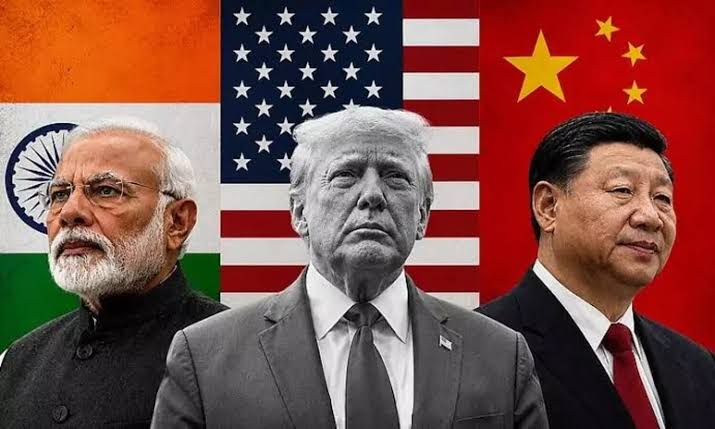
The US Senate has advanced a bipartisan bill that seeks to increase pressure on Russia and Iran. The bill could allow US President Donald Trump to impose tariffs of up to 100% on countries that are among the biggest buyers of Russian oil and natural gas, including India and China. The bill received strong support in the Senate, passing with a vote of 86 to 12. Nearly all Republican senators and many Democrats supported the measure, allowing it to cross the required 60-vote threshold.
The legislation was strongly supported by the late Senator Lindsey Graham, who had spent more than a year working to build support for the bill. The Senate vote came shortly after lawmakers paid tribute to Graham, who died earlier this month. The proposed law would impose sanctions on Russian officials, wealthy individuals, financial institutions and the so-called “shadow fleet” used to bypass restrictions on Russian oil exports.
It would also give President Trump the authority to impose tariffs of up to 100% on goods from major buyers of Russian oil and gas, particularly China and India. However, exemptions could be given to countries that import less than 15% of their natural gas from Russia and are taking steps to reduce their dependence on Russian energy. The revised bill also includes measures to strengthen existing sanctions against Iran’s energy and weapons sectors. These provisions were added at the request of President Trump. Supporters say the bill is aimed at reducing Russia’s energy revenue and limiting Russian President Vladimir Putin’s ability to fund the war in Ukraine. However, some Democrats have expressed concerns about giving the President too much power over tariffs. They also fear that the measures could increase costs for American consumers and affect US allies in Europe. The bill must still be approved by the House of Representatives before it can reach the President’s desk. The House has already left Washington for its summer recess, so lawmakers are unlikely to consider the legislation before September.


