

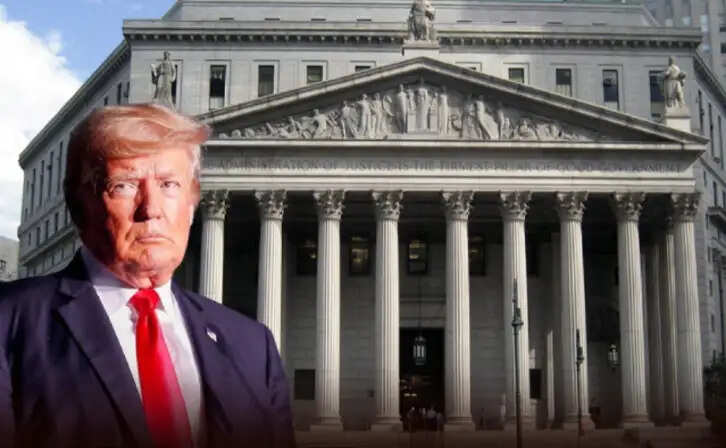
The United States Supreme Court has struck down the global tariffs imposed by former President Donald Trump. The court blocked the additional taxes that were placed on imports from several countries, including China. In its ruling, the Supreme Court said that the tariffs were unlawful and that the president does not have the authority to impose such broad trade taxes by using emergency powers. The court stated that emergency powers cannot be used to bypass Congress in matters related to taxation and trade policy. Under the US Constitution, the power to impose taxes and regulate trade mainly lies with Congress. The judges made it clear that declaring an emergency does not automatically give the president unlimited power to introduce tariffs.
Trump had earlier imposed tariffs on goods from China and other countries, arguing that the measures were necessary to protect American industries, reduce trade deficits, and address national security concerns. These tariffs led to trade tensions between the United States and China, resulting in a trade war that affected global markets, supply chains, and prices of goods. Following the Supreme Court’s decision, trade experts say the ruling could have a major impact on future US trade policy. It may limit the ability of any president to use emergency laws to introduce wide-ranging tariffs without approval from Congress. Businesses and global markets are closely watching the situation, as the removal of tariffs could ease trade tensions and lower costs for American companies and consumers.


