

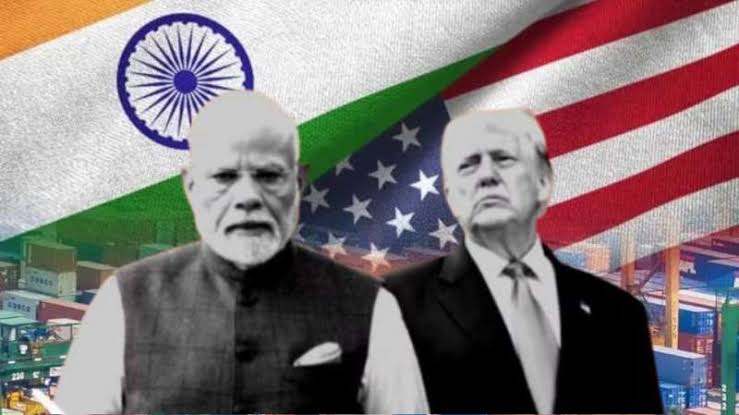
The United States has proposed a new 12.5% trade tariff on imports from 54 countries, including India, China, the United Kingdom, and Japan. The recommendation was announced by the Office of the United States Trade Representative (USTR) following an investigation conducted under the Section 301 trade law. The proposed tariff comes at a crucial time, as India and the United States are currently holding important trade negotiations in New Delhi. The move has raised concerns about its possible impact on trade relations between the two countries. At the same time, the US has suggested a lower minimum tariff of 10% for six countries and regions, including Pakistan, Canada, and the European Union. These countries have reportedly agreed to cooperate with the US in preventing the import of goods linked to forced labor. Responding to the development, India’s Ministry of Commerce and Industry clarified that the US proposal is not yet a final decision. The ministry stated that India continues to participate in discussions aimed at finalizing a broader trade framework agreement between the two nations, based on a joint understanding reached in February.
The US government has opened the proposal for public consultation. Interested individuals and businesses can apply to participate in public hearings until June 22, while written comments can be submitted until July 6. A public hearing is scheduled for July 7, after which the US Trade Representative will make a final decision on the proposed tariffs. The latest move follows a ruling by the US Supreme Court in February, which invalidated certain reciprocal tariffs imposed during the Trump administration. As a result, some previous trade arrangements lost their legal standing. To address this situation, the US is now relying on the powerful Section 301 law, a trade measure that was widely used before the creation of the World Trade Organization (WTO) in 1995. Historically, the law was used against major trading partners such as Europe and Japan. With the WTO facing increasing challenges and reduced influence in global trade disputes, the United States is once again turning to Section 301 as a tool to enforce its trade policies and address concerns related to forced labor and international trade practices.


