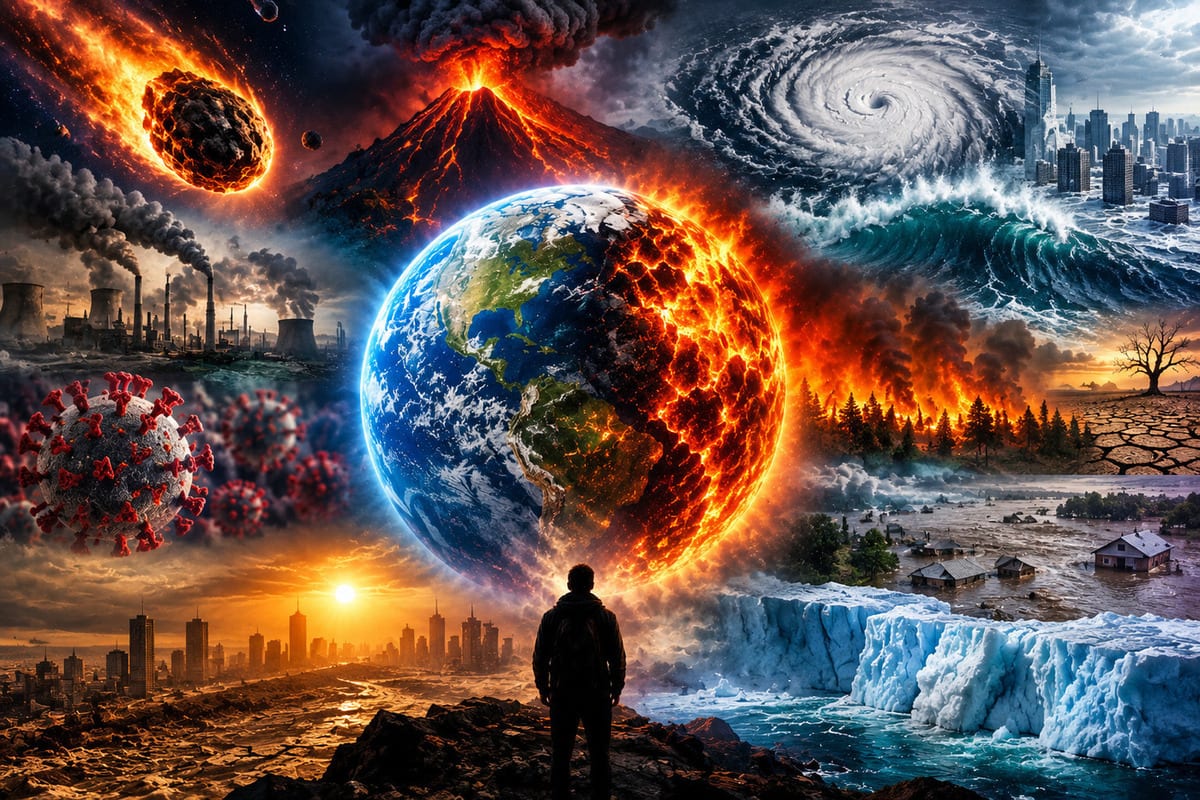
A report published by the famous medical journal The Lancet has raised concerns about serious threats to human life and health by the year 2100. According to the report, the misuse of artificial intelligence (AI) and the risk of nuclear war could become major dangers to humanity in the coming decades. However, these are potential risks, not a prediction that human extinction will definitely happen by 2100.The report warns that a nuclear conflict between countries could cause massive destruction and threaten millions of lives. Similarly, the harmful use of AI technology could create serious global security risks if it is not properly controlled. As AI continues to develop, experts say that responsible use, effective safety measures, and international cooperation are important to reduce these dangers.The report also highlights 17 major threats that could affect people’s health over the next 75 years. These include climate change, air pollution, malnutrition, obesity, smoking, excessive alcohol consumption, and poor mental health. If these problems are not addressed, they could increase the risk of illness and premature deaths around the world.Experts stress that governments should identify these risks early and take preventive action before they develop into major crises. Strong public health systems, environmental protection, responsible AI development, and international efforts to prevent nuclear conflict could help reduce the dangers facing future generations.The report was prepared with contributions from around 35 experts. Its findings are expected to be discussed at a global health conference in Berlin, Germany. The report highlights the importance of cooperation between governments, scientists, and international organisations to protect human health and create a safer future.