
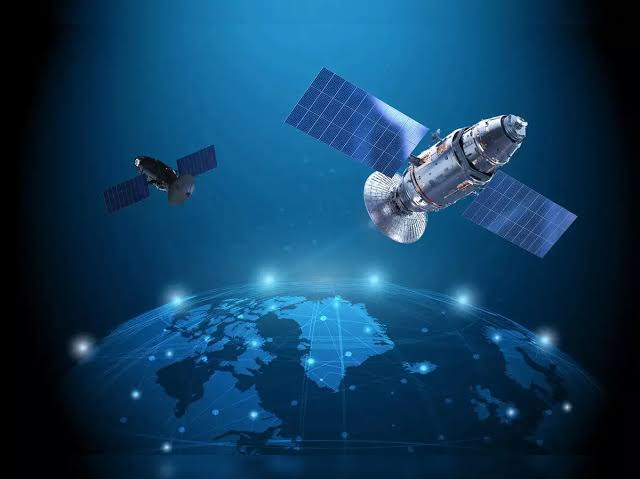
India is developing a strategy to enhance the protection of its satellites following a close encounter in space that highlighted the dangers posed by the spacecraft of other nations. The government aims to create “bodyguard satellites” capable of identifying and addressing threats, according to sources familiar with the situation. Satellites have played a crucial role during military tensions, such as the conflict between India and Pakistan in May. In mid-2024, an Indian satellite orbiting at an altitude of 500–600 km above Earth came alarmingly close to a satellite from a neighboring country. The foreign satellite approached within a mere 1 km of the Indian satellite, which is utilized for mapping and monitoring activities that may have military implications. Although no collision occurred, officials indicated that the close encounter could have been a demonstration of strength or a test of capabilities. The new satellite protection initiative is part of a broader effort by Prime Minister Narendra Modi’s administration to bolster India’s space security. This includes a plan worth Rs 27,000 crore ($3 billion) for approximately 50 surveillance satellites, with the first expected to be launched next year, as reported by various media outlets.
Over the past seventy years, India has experienced multiple conflicts with both Pakistan and China. While Pakistan possesses only eight satellites, India has over 100, and China operates more than 930, according to satellite-tracking data. India and China continue to have border disputes, including a deadly confrontation in 2020. Officials have cautioned that China’s military is emerging as a more significant threat in space.India is currently collaborating with startups to explore innovative solutions for satellite protection. One proposed idea is to deploy LiDAR (Light Detection and Ranging) satellites that can swiftly identify threats and provide ground teams with the necessary time to reposition satellites away from danger. LiDAR satellites would function in conjunction with ground-based radars and telescopes to monitor objects in space continuously, as stated by Sudheer Kumar N, a former ISRO official and independent consultant. At present, India lacks the capability for round-the-clock tracking, but startups are working to develop it.